Turning down an invitation can bring instant relief—and, moments later, a twinge of guilt. In a culture that treats a busy life as proof of happiness, people who prefer staying home often wonder whether something is wrong with them. The answer is not found in how often someone goes out, but in what the choice produces: rest and freedom, or fear, loneliness, and an increasingly smaller life.
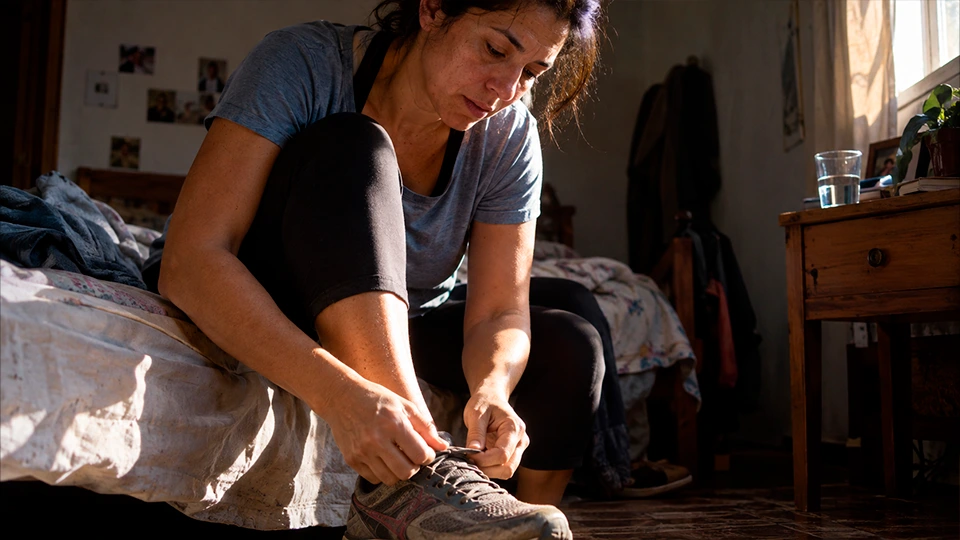
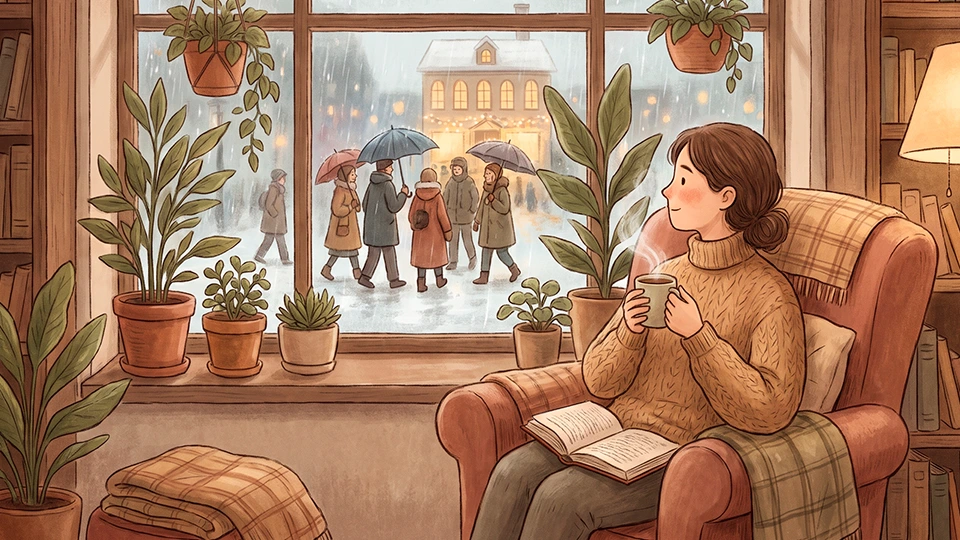
It is Friday night. The group is planning drinks, someone suggests a party, and while the messages pile up, you look at the couch as if it were a safe harbor. What you genuinely want is to stay home, make something to eat, watch a show, or simply avoid talking to anyone.
The decision itself may not be the problem. The explanation that follows is. “Am I wasting my life?” “Am I becoming antisocial?” “Why does everyone seem to enjoy this except me?” When going out is treated as evidence of balance and popularity, comfort at home starts to look like a personality flaw.
But different people need different amounts of stimulation, company, and rest. Not liking to go out may simply be a preference. It can also be a response to exhaustion, an escape from other people’s judgment, or a sign that someone’s appetite for life has faded.
The difference has less to do with the front door and more to do with why it stays closed. Understanding that reason helps distinguish a healthy choice from withdrawal that deserves attention.
What You Will Find in This Article
- Staying home is not the same as rejecting people
- Introversion explains part of it, not the whole story
- The reason behind the refusal reveals more than the refusal
- When home is a refuge—and when it becomes a hiding place
- Connection does not always have to happen outside
- How to find a balance that is truly yours
- The measure is not your calendar, but your freedom
🎧 Audio version of this article
Staying home is not the same as rejecting people
Some people enjoy conversation, maintain deep relationships, and still prefer small gatherings, predictable schedules, and the comfort of home. They do not hate people; they may simply find little pleasure in the package that often comes with “going out”: travel, noise, waiting, spending money, several conversations at once, and the expectation of staying upbeat for hours.
It helps to separate sociability from frequency. A friendship can be intimate even when meetings are rare. Someone can talk to a loved one every day, work well on a team, and genuinely care about others without wanting constant parties or plans. In the same way, a full calendar does not guarantee emotional connection.
The World Health Organization distinguishes social isolation from loneliness. Isolation is a more objective condition: too few relationships, roles, or interactions. Loneliness is the painful feeling that the connections a person has do not match those they want or need. Someone can therefore spend considerable time alone without feeling lonely—and feel profoundly lonely in a crowd.
That distinction changes the question. Instead of asking, “How often do I go out?” ask: “Do I have relationships in which I can be myself? Can I ask for help? Does my routine include enough affection, exchange, and belonging for me?” A healthy social life has no universal calendar.
Introversion explains part of it, not the whole story
Introversion is often used as a synonym for shyness, insecurity, or social aversion. It is not that simple. As a personality trait, it describes a tendency to seek less external stimulation and turn more toward inner experience. An introvert may enjoy company very much while preferring smaller doses, deeper conversations, and recovery time afterward.
Imagine two people returning from the same birthday party. One gets home energized and looks for another conversation. The other enjoyed the evening but feels that their battery has run out. Neither response is superior. They simply process social stimulation differently.
This also explains why “I don’t want to go out” does not always mean “I don’t want to see anyone.” Sometimes the format is the mismatch. Coffee with a friend may feel pleasant; a packed house may not. A quiet walk may be nourishing; hours of loud music may be draining. Once people recognize these differences, they no longer have to choose between total isolation and forced sociability. They can design meetings that fit who they are.
Research on solitude—time spent alone—adds another nuance: what matters is not only being alone, but why. Studies that distinguish chosen solitude from solitude driven by pressure, rejection, or fear find very different well-being experiences. Being alone because the time offers rest, creativity, or freedom is not the same as being alone because a person believes they will not be accepted.
The reason behind the refusal reveals more than the refusal
Two people can say “I’m not going” to the same invitation while living through opposite situations.
The first imagines an evening at home and feels calm. They know they could go out, have people they can rely on, and can reach out when they want company. Their refusal preserves energy for something they value. The next day, they remain interested in their routine.
The second would like to go but anticipates stares, criticism, and embarrassment. They rehearse answers, imagine feeling out of place, and decide that canceling is safer. Looking at the photos afterward, they feel frustrated and ashamed. Their refusal did not express freedom; it expressed fear.
This difference is crucial. The U.S. National Institute of Mental Health describes social anxiety as an intense fear of being watched, evaluated, or judged. Avoiding the situation relieves anxiety in the short term but can keep it going over time. Home stops being merely a place of rest and becomes protection from experiences the person wants but fears.
There is a third possibility. Someone who previously enjoyed certain activities loses interest not only in going out, but also in hobbies, conversations, and things that once brought pleasure. They feel depleted, detached, and unable to meet responsibilities. Withdrawing from friends and family can be one sign of depression, especially when it appears alongside persistent sadness, hopelessness, changes in sleep or appetite, and a broad loss of pleasure.
No single behavior establishes a diagnosis. Staying home during a demanding period may simply be recovery. Canceling one event because of nervousness does not mean someone has a disorder. What deserves attention is the larger pattern: duration, intensity, distress, and impact on daily life.
When home is a refuge—and when it becomes a hiding place
A refuge restores your strength. A hiding place reduces your possibilities.
After an evening at home, do you feel more rested, curious, and available to the world? Or do you feel guilty and empty, with even more fear about going out next time? The first experience tends to restore. The second may reinforce a cycle of avoidance.
Flexibility is another clue. Healthy preferences usually allow exceptions. You may dislike parties yet attend the birthday of someone important. You may prefer staying home during the week but welcome a quiet lunch. When every outing feels impossible, including those you want or need, the issue is no longer a matter of taste alone.
Consider the size of the life that remains available. Does your home routine include work, self-care, movement, interest, learning, and relationships? Or has the world gradually shrunk until only required tasks and automatic distractions remain? Comfort stops protecting you when it costs important opportunities, autonomy, or meaningful relationships.
One question is especially honest: “Am I staying because I want to, or because I cannot make myself go?” The answer may change from one day to the next. Even so, it offers more direction than labels such as lazy, strange, or antisocial.
Connection does not always have to happen outside
Recognizing a reserved temperament does not mean abandoning the human need for connection. The WHO notes that social connection has dimensions of structure, support, and quality. In other words, meeting a quota of events matters less than having relationships that offer presence, reciprocity, and safety.
For some people, that happens at home: dinner with two friends, a long phone call, a shared game, or a conversation on the porch. For others, it emerges through structured activities—classes, book groups, volunteering, or sports—where interaction has a clear purpose and does not depend on walking around a room trying to start conversations.
Digital spaces can also support real bonds, especially for people separated by distance or limited mobility. But using technology to connect is different from using it only to numb discomfort. Hours spent watching other people’s lives can create the impression of social movement without offering intimacy, support, or participation.
Instead of copying an extrovert’s calendar, a reserved person can build a social ecology of their own: a few dependable relationships; less frequent but attentive meetings; enough time alone to recover, without cutting the bridges that sustain belonging.
How to find a balance that is truly yours
The first step is not forcing yourself to go out. It is observing the pattern without judgment. For a few weeks, note the invitations you accepted or declined, why you made each decision, and how you felt afterward. This small map often reveals whether staying home is satisfying, avoids a specific anxiety, or accompanies a broader loss of interest.
Next, change the format before deciding that company itself is the problem. If large parties drain you, suggest coffee. If unpredictability bothers you, agree on a time to arrive and leave. If loud settings overwhelm you, choose a walk or invite someone over. Adjustments like these preserve connection without requiring you to perform a social version of yourself that does not fit.
When fear is present, small and repeated steps are more useful than a dramatic transformation. Greeting a neighbor, staying at a gathering for half an hour, or making plans with one trusted person can expand your tolerance for discomfort. The aim is not to love every social plan, but to recover your ability to choose. If anxiety is intense, persistent, or limits school, work, relationships, or everyday tasks, a psychologist or psychiatrist can help. Social anxiety is treatable.
If withdrawal comes with persistent sadness, hopelessness, severe fatigue, loss of pleasure, or difficulty caring for yourself, professional assessment also matters. If you are having thoughts of death or self-harm, seek immediate help through emergency services or an emotional support service where you live.
Finally, protect both solitude and connection. Deliberately set aside time alone for activities that genuinely restore you—reading, cooking, creating, walking, or resting. Keep small bridges open as well: reply to someone you love, accept a plan that suits you, or ask for company when you need it. Balance is not half home and half outside. It is the freedom to withdraw without disappearing and to draw close without abandoning yourself.
The measure is not your calendar, but your freedom
Next Friday, the couch may still look like the best place in the world. That alone is not a problem. It may simply be how you restore your energy, enjoy your own company, and choose a quieter pace.
The sign of health is not wanting to go out all the time. It is being able to tell whether the decision comes from preference or confinement. When staying home supports your well-being and coexists with enough meaningful relationships, there is choice. When fear, apathy, or distress begins choosing for you, there is a different invitation worth accepting: look at what is happening and seek support.
You do not need to turn your life into a string of events to prove that you are living. You only need to make sure the door is closed for comfort—not because, little by little, you have lost the freedom to open it.
Recommended reading
- The Psychology of Quiet People and Their Advantages
- Solitude or Isolation? How to Tell the Difference
- How to Control Anxiety: A Practical Guide to Regaining Calm
Recommended readings and references
- World Health Organization — Social connection (2025)
- National Institute of Mental Health — Social Anxiety Disorder: What You Need to Know
- National Institute of Mental Health — Depression
- Nguyen, Ryan & Deci — Solitude as an Approach to Affective Self-Regulation (2018)
- Sette et al. — Motivations for Social Withdrawal, Mental Health, and Well-Being in Emerging Adulthood (2023)